
Brake Noises Explained
The Ultimate Encyclopedia of Brake Noises: Decoding Every Squeak, Grind, and Click
Your vehicle’s braking system is the single most critical safety feature you possess. It is also a system that communicates clearly if you know how to listen. While many drivers panic at the first sign of noise, the reality is that brake sounds exist on a spectrum—ranging from completely normal operating characteristics to catastrophic structural failure.
This guide leaves no stone unturned. We will categorize every common (and uncommon) brake sound, explain the physics behind it, and detail exactly what type of brake repair—if any—is required.
PART 1: THE “FALSE ALARMS” (Noises That Are Usually Safe)
Before you worry about repair bills, it is important to rule out the noises that are inherent to how brakes work. Friction creates vibration, and vibration creates sound.
-
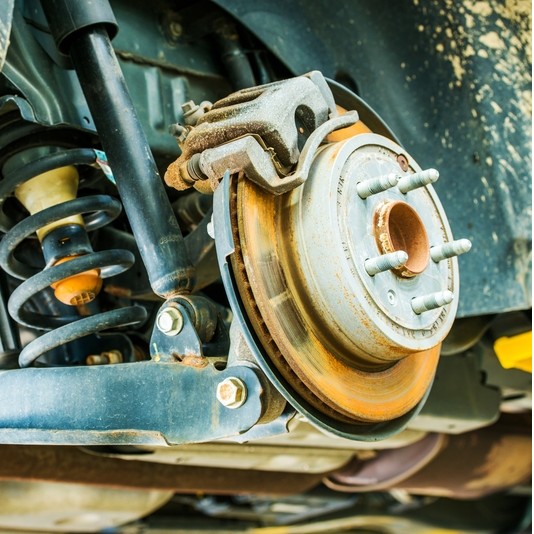
The “Morning Scrape” (Flash Rust) The Sound: A swishing or sandpaper-like scraping sound for the first few stops in the morning. The Science: Brake rotors are made of cast iron. When you park your car overnight, especially in humid conditions or rain, a thin layer of orange rust (oxidization) forms on the exposed iron surface. The Verdict: Normal. The sound is simply the brake pads scrubbing the rust off. It should disappear within 5 to 10 stops.
-
The “Performance Squeal” (High-Friction Pads) The Sound: A high-pitched squeak that happens when the brakes are cold but disappears once the car warms up. The Science: Some vehicles, particularly sports cars or heavy-duty trucks, use “Semi-Metallic” brake pads. These pads are harder and contain metal shavings for better stopping power and heat dissipation. However, metal-on-metal friction is naturally louder than softer ceramic materials. The Verdict: Normal characteristic. Unless the noise persists constantly, this is the trade-off for high-performance braking.
-
The “Agonizing Screech” (The Dust Shield Rock) The Sound: A terrifyingly loud, continuous screech that sounds like the car is being torn apart, often happening even when you aren’t braking. The Science: There is a thin metal plate behind your brake rotor called a dust shield. Occasionally, a piece of gravel from the road gets trapped between the shield and the spinning rotor. The Verdict: Annoying, but usually harmless. Often, reversing the car for a few feet will dislodge the rock. If not, a mechanic can pry it out in five minutes. This sounds expensive, but it is often a free or cheap fix.
PART 2: THE WARNING SIGNS (Maintenance Required)
These sounds indicate that a part has failed or worn out, but your vehicle is not yet in critical danger.
-
The “Chirp” or “Whistle” (Wear Indicators) The Sound: A consistent, high-pitched whistle that occurs while driving but sometimes stops when you press the brake pedal. The Diagnostics: Manufacturers install a small metal tab on brake pads called a mechanical wear indicator. When the pad material wears down to 2mm or 3mm, this tab touches the rotor to annoy you intentionally. The Repair: Standard Brake Service. This involves replacing the brake pads. It is highly recommended to replace or resurface rotors at the same time to prevent the new pads from making noise.
-
The “Glassy Squeak” (Glazed Pads) The Sound: A squeak that happens under light braking but goes away if you brake hard. The Diagnostics: If you panic-stop frequently or ride your brakes down long hills, the extreme heat can crystallize the friction material on your pads and the surface of your rotors. This hard, smooth surface is called “glazing.” The pads slide over the rotor rather than biting into it. The Repair: Rotor Resurfacing or Replacement. You must remove the glazed surface. Sometimes the rotors can be machined (sanded down) to expose fresh metal, and the pads can be sanded, but often replacement is the only way to restore full stopping power.
-
The “Rear Squeak” (Drum Brake Shoe Rub) The Sound: A rhythmic squeak coming from the rear wheels, specifically on trucks or economy cars with drum brakes. The Diagnostics: Drum brakes use springs and contact points that need lubrication. Over time, the factory grease dries up, and the metal backing plate rubs against the shoe. The Repair: Clean and Adjust. This doesn’t always require new parts. A technician will clean the brake dust, apply high-temperature silicone lubricant to the contact points, and adjust the tension.
PART 3: THE DANGER ZONE (Immediate Repair Required)
These noises indicate that the system has structurally failed. Driving is dangerous.
-
The “Metal-on-Metal” Grind The Sound: A harsh, guttural growl that sounds like a snow shovel being dragged on pavement. The Diagnostics: The friction material is completely gone. The steel backing plate of the brake pad is clamping directly onto the steel rotor. You have zero braking buffer left. The Repair: Caliper, Rotor, and Pad Replacement. This is the most expensive scenario. The grinding destroys the rotor instantly. Furthermore, the heat generated transfers into the hydraulic caliper, often boiling the fluid and seizing the piston. You cannot “save” any of these parts.
-
The “Thumping” Vibration (Warped Rotors) The Sound: A deep, rhythmic thud-thud-thud accompanied by the steering wheel shaking in your hands. The Diagnostics: Rotors must be perfectly flat. If they overheat, they can warp or develop “run-out” (uneven thickness). The brake pads are bouncing over the high spots. The Repair: Rotor Replacement. While some warped rotors can be machined flat, modern rotors are often too thin to be machined safely. Replacement is the standard fix.
-
The “Hiss” (Booster Failure) The Sound: A constant hissing noise from the footwell that changes when you press the pedal, often accompanied by a very hard brake pedal. The Diagnostics: Modern brakes are “power-assisted” using a vacuum booster. If the internal diaphragm rips or the vacuum hose leaks, you lose that assist. The Repair: Brake Booster Replacement. This is a complex job often requiring work under the dashboard and in the engine bay.
PART 4: THE UNUSUAL SUSPECTS (Clicks and Clunks)
Sometimes the noise is the hardware, not the pads.
-
The “Click-Clack” (Pad Shift) The Sound: A sharp click when you change direction (Reverse to Drive) and tap the brakes. The Diagnostics: Brake pads sit in a bracket. If the stainless steel “abutment clips” (which act as springs) weaken, the pad will slide up and down, clicking against the bracket. The Repair: Hardware Kit Installation. Good mechanics always replace the clips when changing pads, but cheap brake jobs often skip this step.
-
The “Ratchet” Buzz (ABS Activation) The Sound: A rapid-fire buzzing or grinding noise combined with the pedal pulsing against your foot. The Diagnostics: This is your Anti-Lock Braking System (ABS) firing. It pumps the brakes 15 times a second to prevent skidding. The Repair: None (if active during a slide). If this happens on dry pavement during normal stopping, you likely have a faulty Wheel Speed Sensor that is sending false data to the computer, tricking the car into thinking it is sliding.
Summary of Professional Recommendations
-
Don’t rely on “Pad Slaps”: Simply putting new pads on old, grooved rotors is the #1 cause of noise returning within a week.
-
Fluid Matters: Brake fluid attracts water. If you are getting a major repair, ask for a fluid flush. Old, watery fluid boils faster, which can lead to brake fade even if your pads are new.
-
Trust Your Ear: If a noise is consistent (happens every time you brake) and getting louder, it is mechanical. If it is intermittent and disappears after a few minutes, it is likely environmental.

Leave a Reply
Want to join the discussion?Feel free to contribute!