
7 Top Advantages to Fleet Maintenance
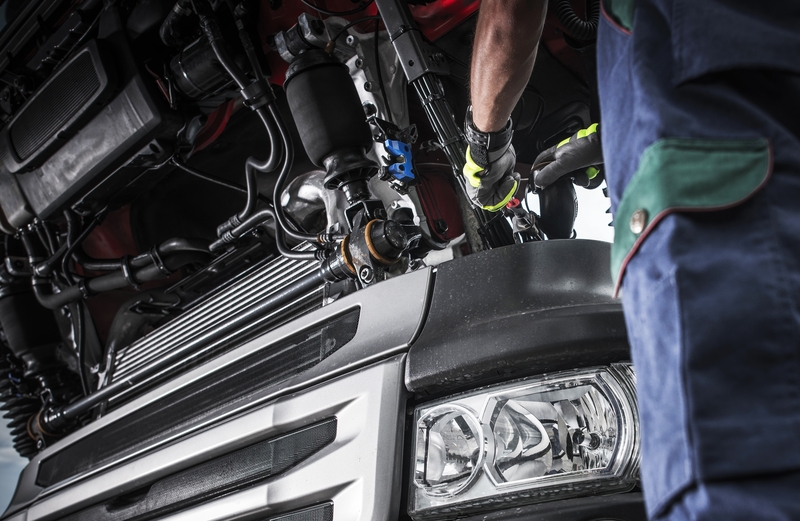
Fleet maintenance is critical for businesses relying on commercial vehicles to operate efficiently and avoid unnecessary disruptions. Establishing a strong maintenance program can significantly reduce costs, enhance safety, and keep vehicles performing reliably in various work environments. Below are the top advantages of fleet maintenance for companies with commercial vehicles, along with examples of how these benefits support different industries.
1. Improved Vehicle Reliability
Regular fleet maintenance ensures that vehicles remain dependable, reducing the risk of sudden breakdowns. Routine inspections catch minor issues early, preventing them from becoming major problems that disrupt operations. For example, a delivery company that services its vehicles regularly can minimize the chances of late deliveries caused by vehicle malfunctions, leading to improved customer satisfaction.
Benefits of Improved Reliability:
- Fewer on-road breakdowns, which is crucial for industries like emergency medical services that rely on rapid response times.
- Consistent performance for timely deliveries and transportation, benefiting logistics companies.
2. Cost Savings
Preventative maintenance might seem like an added expense, but it actually saves money in the long run by avoiding costly emergency repairs. Addressing minor issues during scheduled maintenance prevents major mechanical failures that could lead to expensive repairs. For construction firms, maintaining vehicles like dump trucks or cement mixers can reduce repair costs and avoid project delays caused by unexpected equipment failures.
How Fleet Maintenance Lowers Costs:
- Reduced Parts Replacement Costs: Regular service prevents premature wear and tear, ensuring parts like brakes and belts last longer.
- Improved Fuel Efficiency: A well-tuned engine can lead to better fuel economy, which is significant for delivery companies with a high mileage fleet.
3. Enhanced Safety
Maintaining a safe fleet is crucial for protecting drivers, cargo, and other road users. Regular maintenance checks ensure that critical safety systems like brakes, steering, and tires are functioning correctly, reducing the risk of accidents. This is especially important for industries like school bus companies, where safety is a top priority. Regular brake and tire inspections can prevent potential accidents and keep children safe.
4. Increased Vehicle Lifespan
Regular maintenance can significantly extend the lifespan of commercial vehicles. Preventative services such as oil changes, fluid checks, and part replacements prevent the premature degradation of engine components, transmission systems, and suspension parts. For a transportation company using passenger vans for shuttle services, extending the life of their fleet means they can keep vehicles in service longer, delaying the need for costly replacements.
Key Maintenance Activities for Longevity:
- Regular oil and filter changes to prevent engine wear.
- Scheduled inspections and early replacement of worn parts to avoid costly repairs.
5. Reduced Downtime
One of the biggest benefits of a strong maintenance program is reduced vehicle downtime. Scheduling maintenance during off-hours or in less busy periods minimizes interruptions, keeping vehicles operational when they are needed most. For a trucking company that needs its fleet on the road 24/7, minimizing downtime can prevent logistical disruptions and ensure deliveries are made on time.
Strategies for Minimizing Downtime:
- Plan maintenance during non-peak business hours.
- Use diagnostic tools to predict potential issues and proactively service vehicles.
6. Better Compliance
Fleet maintenance helps ensure that all vehicles adhere to industry standards and governmental regulations. Regular inspections and documentation make it easier to pass DOT inspections and other regulatory requirements. This is especially beneficial for logistics companies that cross state lines and must meet varying compliance standards, reducing the risk of fines or penalties.
Compliance Support Services:
- Emission System Inspections and Testing: Ensuring vehicles meet emissions standards to comply with environmental regulations.
- Brake and Safety System Checks: Regular checks of brakes, tires, and safety systems to meet DOT requirements.
7. Optimized Fuel Efficiency
Well-maintained vehicles consume less fuel, which is a major advantage for companies with large fleets. Simple maintenance tasks such as keeping tires properly inflated, replacing air filters, and tuning the engine can result in noticeable fuel savings. For long-haul trucking companies, these improvements can significantly reduce fuel expenses and lower the fleet’s overall operating costs.
Steps to Improve Fuel Efficiency:
- Regular tire pressure checks and rotations.
- Engine tuning and air filter replacements.
- Monitoring and addressing fuel system issues for optimized performance.
Implementing a strong fleet maintenance program offers numerous benefits that go beyond just keeping vehicles in good condition. By focusing on preventative care and addressing issues proactively, businesses can enhance fleet performance, reduce costs, and support overall operational efficiency, regardless of the industry.


Leave a Reply
Want to join the discussion?Feel free to contribute!