
The Science of Paint Protection
Understanding Wax, Sealants, and Ceramic Coatings
For many vehicle owners in Raleigh, the goal of “detailing” is often synonymous with a shiny finish. However, from a technical and reconditioning standpoint, shine is merely a byproduct of a healthy, protected surface. At Brisbon Automotive, our CARE Tech Certified specialists view paint protection as a critical maintenance layer designed to preserve the structural integrity of a vehicle’s clear coat against the harsh North Carolina environment.
When deciding how to protect your investment, it is essential to understand the chemical differences between the three primary tiers of protection: Carnauba Wax, Synthetic Sealants, and Nano-Ceramic Coatings.
Natural Carnauba Wax: The Sacrificial Layer
Carnauba wax is a natural substance derived from the Brazilian palm tree. In the detailing industry, it is respected for its “warm” glow and deep gloss.
The Science: Wax does not “bond” to the paint; instead, it sits on top of the surface as a temporary, sacrificial barrier. It is highly effective at shedding water (hydrophobicity) for a short period.
- Durability: 4 to 6 weeks.
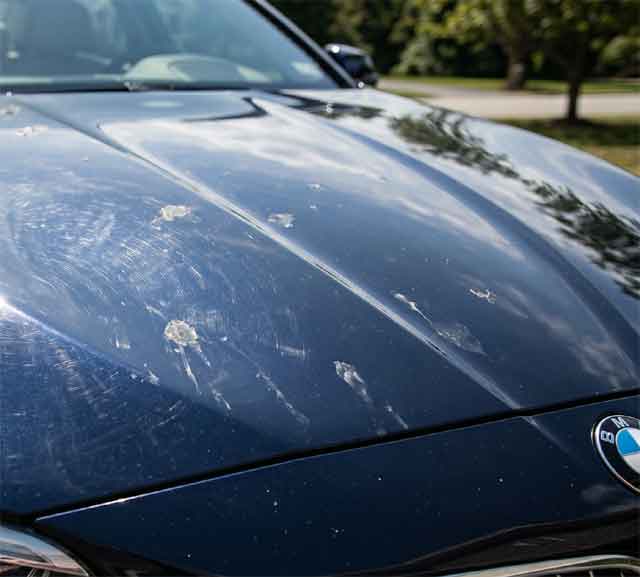
- Limitations: Carnauba has a low melting point. In the heat of a North Carolina summer, a wax layer can literally melt off a hood during a commute, leaving the paint exposed to UV rays and bird droppings.
- Best Use: Show cars or vehicles stored in climate-controlled environments that receive monthly maintenance.
Synthetic Polymer Sealants: Engineered Longevity
Synthetic sealants are lab-derived functional polymers designed to offer a much higher level of heat resistance and durability than natural wax.
The Science: Unlike wax, sealants are engineered to create a cross-linking bond across the paint surface. This creates a tighter “mesh” that is more resistant to detergents and environmental pollutants.
- Durability: 4 to 6 months.
- Technical Advantage: Sealants offer superior UV protection and are less likely to break down under high surface temperatures.
- Best Use: Daily drivers that need reliable protection between seasonal service intervals.
Nano-Ceramic Coatings: The Permanent Shield
Ceramic coating represents the pinnacle of modern automotive reconditioning. These are liquid glass (Silicon Dioxide/SiO2) polymers that undergo a chemical reaction to become an integral part of the vehicle’s surface.
The Science: At a molecular level, the “Nano” particles fill the microscopic pores of your vehicle’s clear coat. Once cured, the coating transforms into a semi-permanent, 9H-hardness glass shield. This is not a “layer” that sits on top; it is a chemical bond that hardens into a second skin.
- Durability: 2 to 5+ years (depending on the package).
- Technical Advantage: Ceramic coatings are chemically resistant to acidic contaminants (like bug guts and bird droppings) and provide extreme hydrophobic properties that prevent dirt from “sticking” to the car.
- The Requirement: Because ceramic coatings are permanent, they require a professional Paint Correction and Decontamination process beforehand. Applying a coating over swirl marks or iron fallout would simply “lock in” those defects forever.
Why the Preparation Phase is Non-Negotiable
A common misconception is that the protection product creates the “look.” In reality, 80% of the finish comes from the preparation. Before any protection is applied at our facility, the vehicle undergoes a multi-stage decontamination process:
- Chemical Decontamination: Removing iron particles and industrial fallout that a wash cannot touch.
- Mechanical Decontamination: Using a clay bar to lift embedded contaminants from the pores of the paint.
- Paint Correction: Utilizing machine polishers to level the clear coat, removing the “swirl marks” and light scratches that cause paint to look dull.
The Technical Verdict
Choosing the right protection depends on your vehicle’s use case and your long-term goals. While wax offers a classic look, it provides minimal defense for a vehicle parked outside. Conversely, a ceramic coating is a one-time investment that significantly reduces maintenance time and preserves the high resale value of your car or SUV.

Leave a Reply
Want to join the discussion?Feel free to contribute!